November is Holocaust Education Month, a time to remember the six million Jews murdered in the Holocaust, honour survivors and ensure that the lessons of history are never forgotten. This year, the Centre for Holocaust Education and Scholarship (CHES) is hosting two important events that invite our community to reflect on the past and consider its relevance today. From confronting the normalization of antisemitism to uncovering the stories of Holocaust victims and survivors, these programs remind us why education, remembrance and the preservation of historical truth remain so essential.
Normalization of Antisemitism in the Name of “Justice” — 80 Years After the Nuremberg Trials, November 9, 2026, 7:00 p.m.
Location will be provided upon registration. Click here to register.
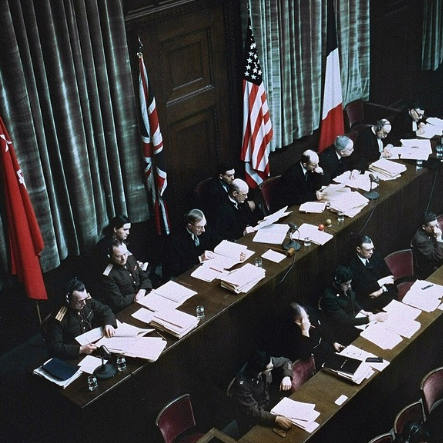
This year marks the 80th anniversary of the Nuremberg Trials, the historic proceedings that established the foundational principles of international law and accountability and changed the way the world understood crimes against humanity.
The work that began following the trials remains deeply relevant today and is far from finished.
What happens when the language of justice is twisted to justify hatred? And what can the lessons of the Nuremberg Trials teach us about confronting antisemitism today?
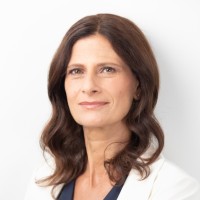
Michal Cotler-Wunsh’s timely and thought-provoking keynote address will explore one of the most urgent challenges of our time: the normalization and weaponization of antisemitism under the guise of human rights, justice, and international law.
Join us as we launch Holocaust Education Month 2026 with Cotler-Wunsh, LL.B., LL.M., Chief Executive Officer of the International Legal Forum (ILF), leading international human rights lawyer, and expert on antisemitism. She previously served as Israel’s Special Envoy for Combating Antisemitism from 2023 to 2025 and was a member of Israel’s 23rd Knesset. During her tenure, she co-founded the Inter-Parliamentary Task Force to Combat Online Antisemitism
As Cotler-Wunsh warns: “This mainstreaming of antisemitism is both a symptom and a weapon in a raging war for hearts and minds.”
And, she adds, there is reason for hope. Cotler-Wunsh believes we can educate the broader public, strengthen our collective understanding of antisemitism, and build mechanisms of accountability that make antisemitism, in all its forms, unacceptable.
Join us for an evening of remembrance and reflection on the Nuremberg Trials and their enduring significance for international justice.
At a time of unprecedented rise in antisemitism, Holocaust distortion, and minimization remain pressing concerns, this gathering offers an opportunity to reflect on the importance of preserving historical truth and strengthening the principles of justice and accountability. Together, we can ensure that the lessons of history remain part of our collective responsibility.
Lost, Found, Remembered: Researching Holocaust Victims and Survivors, November 15th, 2026, 3:00 p.m.
Location will be provided upon registration. Click here to register.
For descendants of Holocaust survivors, questions about the past can remain unanswered for generations. They may wonder about the lives of family members who were lost, experiences surviving relatives endured, or parts of their family history that were never discussed. These unanswered questions shape how later generations understand their family, their identity, and the lasting effects of the Holocaust.
One does not have to be a Holocaust survivor or descendant to be interested in genealogy. Genealogy provides a way to connect with the past, understand the present, and preserve it for the future. It is a natural desire to understand identity, preserve family stories, and explore our roots.
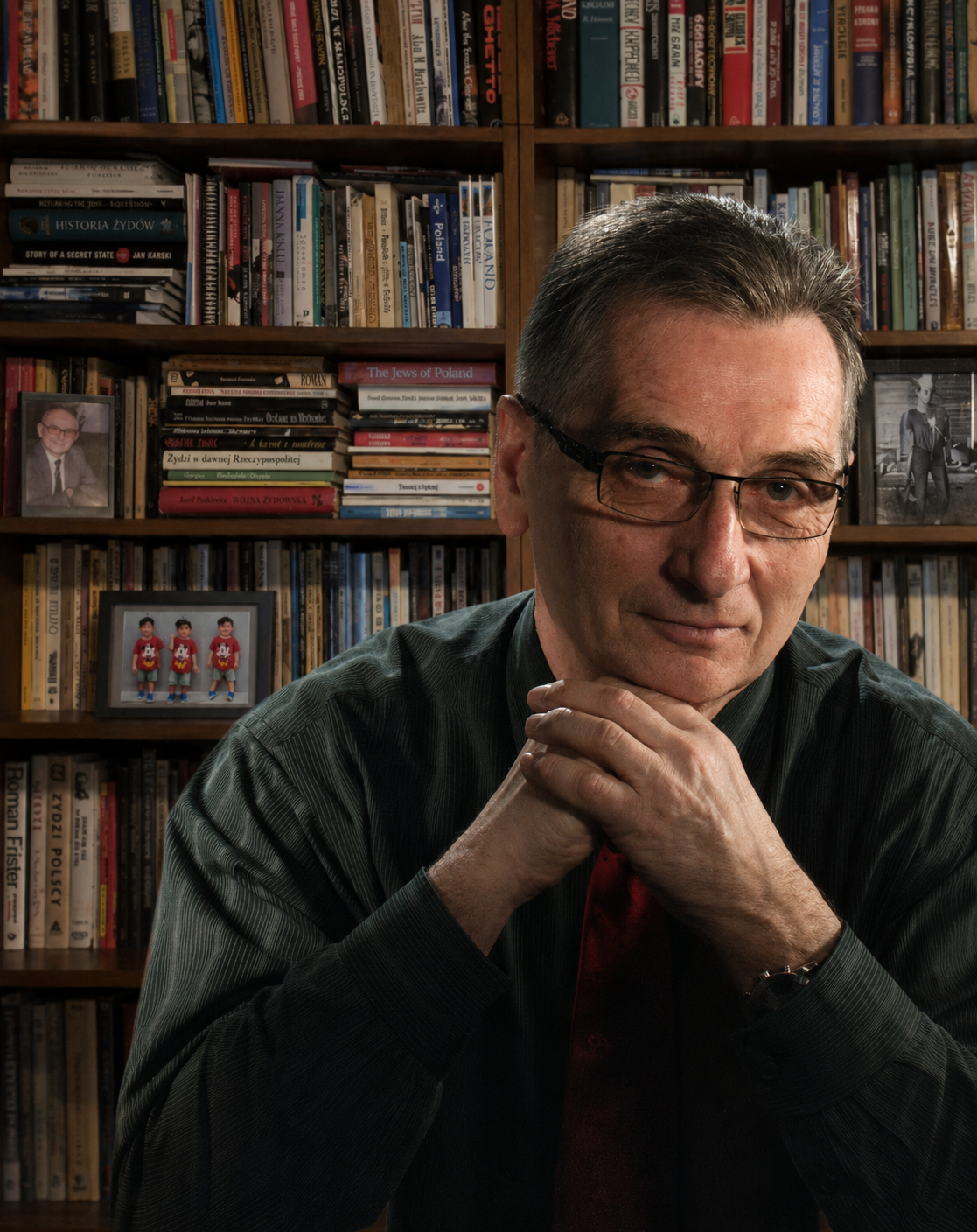
Enter Peter Jassem, the tireless researcher of Jewish genealogy, with particular interest in Holocaust-related and Holocaust-relevant sources, has a message especially relevant to anyone who has ever wondered: “What happened to my family?”
After discovering his Jewish roots in adulthood, Peter Jassem devoted decades to preserving Jewish heritage, Holocaust memory, and Polish-Jewish history. He has held leadership roles with the Jewish Genealogical Society of Canada, the Polish-Jewish Heritage Foundation of Canada, Jewish Records Indexing–Poland and currently chairs the Canadian Friends of the POLIN Museum.
Join us for Jassem’s deeply personal presentation: Lost, Found, Remembered: Researching Holocaust Victims and Survivors. He will share his journey uncovering the stories of more than sixty relatives on his father’s side who were victims and survivors of the Shoah. Through years of genealogical research, he discovered documents, photographs, vital records, and accounts that revealed not only how family members died or survived, but also what happened to the survivors in the years that followed.
Jassem will demonstrate how descendants can investigate their own family histories, drawing on resources in Poland and around the world. You will learn where to look, what to search for and how to connect seemingly unrelated clues.
But this is more than a lesson in genealogy. Jassem's research brought him face-to-face with the lives of real people: relatives who were parents, children, brothers, sisters, and grandparents. Their stories include devastating loss, extraordinary courage, betrayal, unexpected acts of compassion, and remarkable survival.
Holocaust research can perhaps reveal a piece of your own family's story waiting to be found.
The event is in cooperation with the embassy of Germany. Light refreshments will be served.
- By Mina Cohn, Chair, Centre for Holocaust Education and Scholarship (CHES)